How SmartPromptIQ Helps Everyday People Learn and Use AI, One Simple Step at a Time
Artificial intelligence is no longer something reserved for technology companies or experienced programmers. It is becoming part of everyday work, learning, communication, and creativity. People use AI to organize ideas, write clearer messages, learn unfamiliar topics, plan projects, and answer routine questions. Still, many people do not know where to begin. The tools can feel unfamiliar, the language can sound technical, and it is easy to worry about getting something wrong.
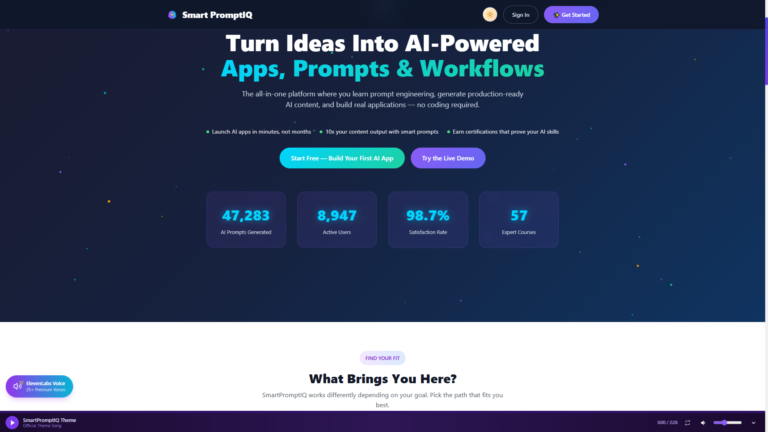
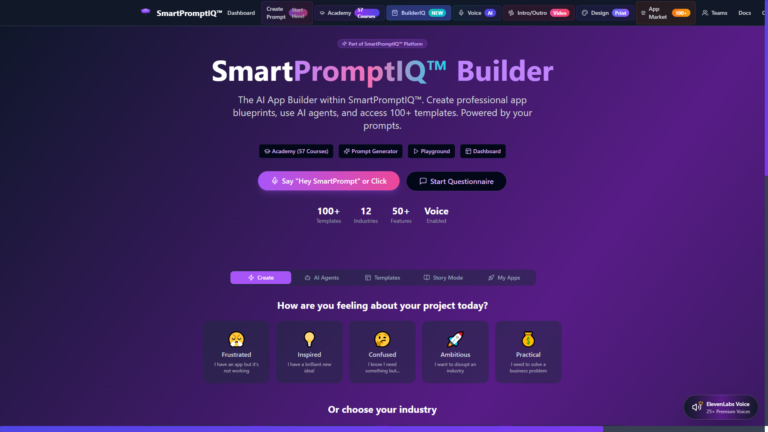
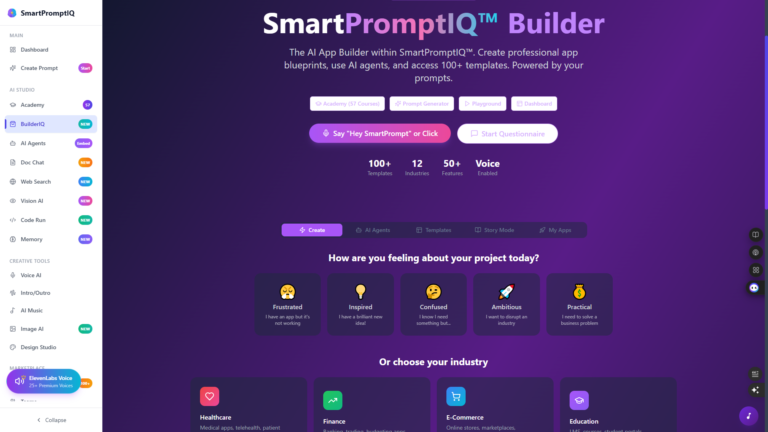
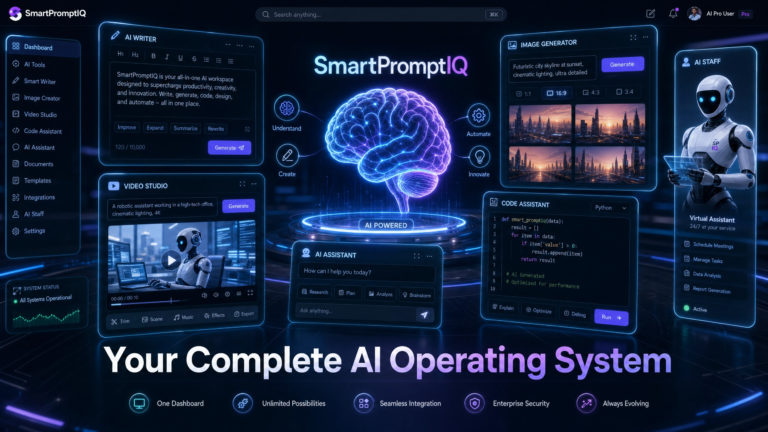
SmartPromptIQ makes that first step manageable. It helps people learn and use AI in plain language: learn one useful skill, try it in a real situation, and build confidence from there. Beginners, people returning to work, small-business owners, and curious learners can begin without coding experience.
Start Where You Are
One of the biggest barriers to learning AI is the feeling that everyone else already understands it. In reality, some people have never used a chatbot, while others need help turning a vague request into a clear instruction.
SmartPromptIQ meets learners at that point. Instead of beginning with theory, it explains AI in a friendly, approachable way and connects each lesson to something you can actually do. A beginner might learn how to ask an AI tool to simplify a document, outline a letter, or generate ideas for a project. Someone with more experience might explore ways to improve a repeated workflow, create a content plan, or build a simple helper for a website.
The important thing is that progress does not need to be overwhelming. You do not have to master every AI tool before you get value from one. Learning how to give a better instruction, check an answer, or save a useful prompt can make an immediate difference in how you work.
Learn the Skill Behind Better AI Answers
AI gives more useful results when it understands what you need. That is why prompt writing matters. A prompt is simply the instruction or question you give an AI tool. You do not need a secret formula, but you do need to be clear about your goal.
For example, asking “Write an email” leaves many decisions to the AI. A stronger request identifies the customer, purpose, tone, length, and desired action. That context makes the response easier to use and edit.
SmartPromptIQ helps people practice this kind of clear communication. Learners can move from simple questions to more detailed prompts, discovering how context, examples, and a requested format improve the output. The goal is not to make people sound technical. It is to help them express what they already know in a way AI can understand.
Use AI for Everyday Wins
Learning becomes more meaningful when it connects to real life. AI can help people overcome the blank page, organize a task, summarize information, and think through a decision. A job seeker might turn work experience into résumé bullet points, while a small-business owner could draft answers to common customer questions.
These are not abstract examples. They are everyday tasks that often take more time than they should. The value of AI is not that it replaces a person’s judgment or voice. It gives people a useful starting point, helping them make progress faster and focus their attention where it matters most. You remain in charge of the final decision, message, or plan.
By concentrating on practical use cases, SmartPromptIQ helps learners see AI as a tool they can use today, not a distant subject they may understand someday. Small wins matter. When an AI-assisted checklist saves time or a well-written prompt makes a task easier, people gain a reason to keep learning.
Move from Learning to Building
Once you understand the basics, AI can support simple systems that make information easier to access and routine tasks easier to manage. Begin by identifying a repeated question or process that a helpful guide could support.
For example, a local business may receive the same questions about services, hours, prices, or booking. A website assistant can help visitors find answers at any time, while allowing the business owner to decide what information the assistant should know and how it should speak. SmartPromptIQ’s AI Assistants are designed for this practical purpose: friendly website helpers that can answer visitor questions without requiring the user to code.
That is a powerful step for everyday users. You do not have to create a complicated piece of software to make AI useful. You can start by creating a helper around the information you already have. A clear welcome message, accurate answers to common questions, and a tone that fits your brand can make a website feel more helpful and responsive.
Keep Control of the Experience
Using AI effectively does not mean giving up control. The most useful AI tools support your goals, voice, and standards. You decide what information to provide, what output to use, and what needs to be reviewed. SmartPromptIQ encourages this thoughtful approach by helping users learn the difference between an AI suggestion and a finished result.
With a website helper, you can choose what it knows, how it greets visitors, and the language it uses. You can also review conversations to understand visitor questions. Explore SmartPromptIQ AI Assistants to see how this customization can align an AI tool with your website.
Human review is still essential. Check important details, keep personal information private, and revise output so it sounds like you. These habits help you use AI with confidence and care. They also ensure that the technology supports your work instead of creating more work for you.
Build Confidence Through Practice
Confidence with AI rarely comes from one lesson. It develops through a simple cycle: try a prompt, review the response, improve the instruction, and try again. This approach takes the pressure off getting a perfect result on the first attempt. Instead, it turns each interaction into a chance to learn what works.
Over time, you may save useful prompts for recurring tasks, collect examples of strong responses, and develop a process that fits your routine. You might begin with an email or checklist and later create a customer-facing assistant. SmartPromptIQ makes room for that kind of growth, offering learning resources and practical tools in one place. When you are ready to turn your knowledge into a real website helper, create an AI Assistant with SmartPromptIQ and begin with the questions your visitors ask most often.
AI Made Simple for Real People
Learning AI does not have to start with a big project or a technical vocabulary. It can begin with one question, one prompt, or one task you would like to make easier. SmartPromptIQ helps everyday people take that first step in a way that feels clear, practical, and achievable.
The aim is to use AI for real results: clearer communication, better organization, confident decisions, and helpful experiences. As your skills grow, the possibilities grow.
Ready to see what AI can do for your work, business, or daily routine? Start small, apply a useful skill to a real need, and build from there. Discover SmartPromptIQ AI Assistants when you are ready to add a friendly website helper—no coding required.