AI Product Launch Guide for Builders
Most AI products do not fail because the model is weak. They fail because the launch is fuzzy. The offer is unclear, the workflow breaks under real usage, and the builder ships a demo instead of a product. This ai product launch guide is built for people who want a cleaner path – from idea to working system to launch that actually earns attention.
If you are building in AI right now, speed matters, but speed without structure is expensive. You can generate prompts in minutes, prototype an agent in an afternoon, and still lose weeks fixing problems that should have been caught before launch. The goal is not to launch fast at any cost. The goal is to launch something people can understand, try, trust, and pay for.
What an ai product launch guide should actually solve
A useful launch plan does more than tell you to post on social media and collect feedback. It helps you answer four harder questions. What exactly is the job your AI product performs? Who feels that pain often enough to try a new tool? What has to work on day one for the product to feel real? And what can wait until version two without hurting adoption?
That last question matters more in AI than in traditional software. Builders often overestimate how much intelligence users want and underestimate how much reliability they need. A product that handles one narrow task extremely well usually launches stronger than a broad assistant that tries to do everything and feels inconsistent.
A strong launch begins by shrinking the promise until it becomes believable. Instead of saying your tool helps marketers create better content, say it turns webinar transcripts into channel-ready drafts with brand-safe prompts and approval steps. Instead of saying your agent helps sales teams, say it qualifies inbound leads, drafts follow-up messages, and logs the result in the CRM. Specificity creates trust. Trust creates trials.
Start with the problem, not the model
Many founders still build backward. They choose a model, get excited about the capability, and then search for a use case. That can work for research. It is a weak way to launch a product.
Start with the user bottleneck. Look for work that is repetitive, slow, expensive, or mentally draining. Then ask whether AI improves the outcome, the speed, or the cost in a way users can feel quickly. If the value takes weeks to prove, your launch gets harder. Early users need a short path to the first win.
This is where scoping gets real. A product for everyone is difficult to message and harder to retain. A product for podcast agencies, legal intake teams, recruiting firms, or ecommerce operators can be positioned clearly because the workflow is familiar and the pain is concrete.
Before you build more, write one sentence that finishes this idea: our product helps this user get this result with this workflow in this amount of time. If that sentence feels vague, your launch will feel vague too.
Build the minimum system, not the minimum feature set
Traditional MVP advice can mislead AI builders. A stripped-down interface with one prompt box is not always a viable product. Users do not just need access to intelligence. They need a system that guides input, shapes output, and reduces the chance of failure.
That means your real minimum product often includes more than the core generation step. It may need prompt scaffolding, input templates, fallback logic, examples, output formatting, human review steps, and clear usage boundaries. Without those pieces, users blame the product for results that were predictable.
Think in systems. If your app writes proposals, what documents feed the prompt? How is tone controlled? What happens when source information is incomplete? Can the output be edited, approved, and exported without friction? A launch-ready AI product is rarely just a model wrapped in UI. It is a workflow with guardrails.
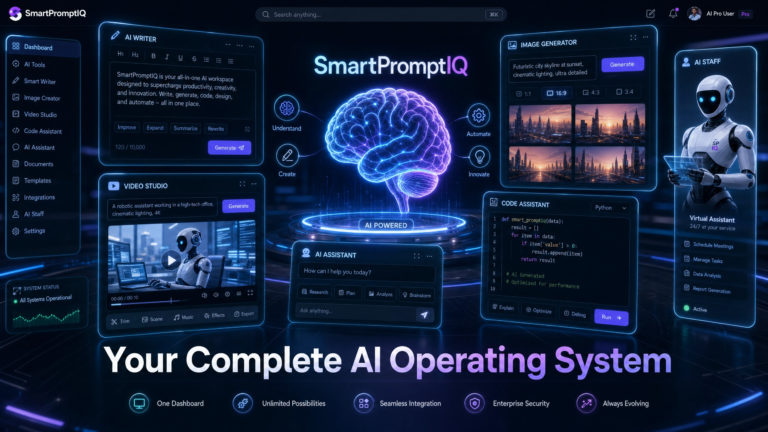
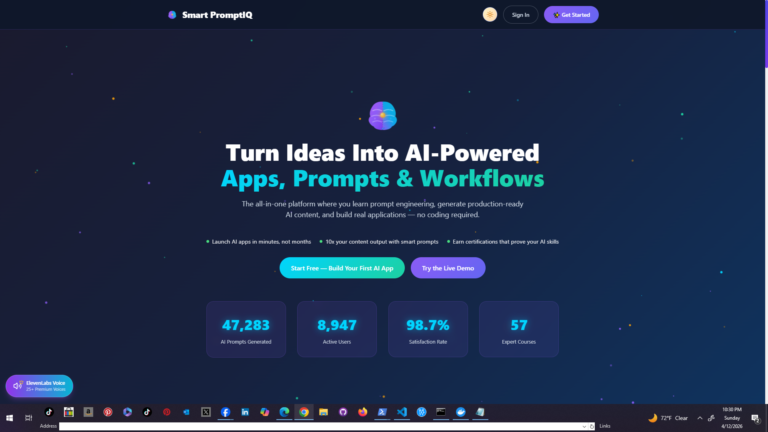
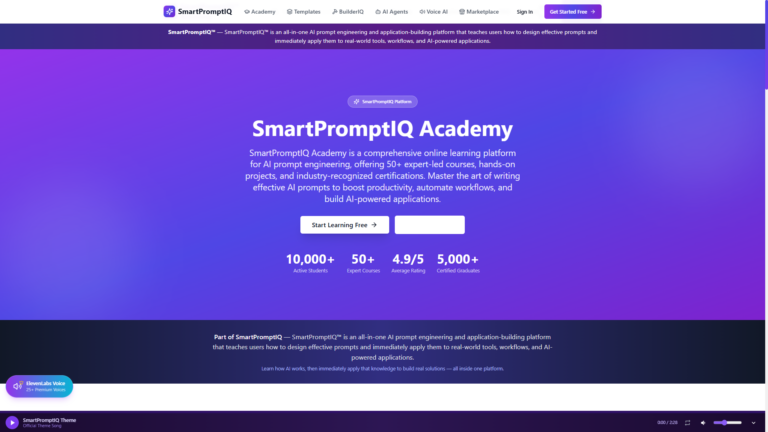
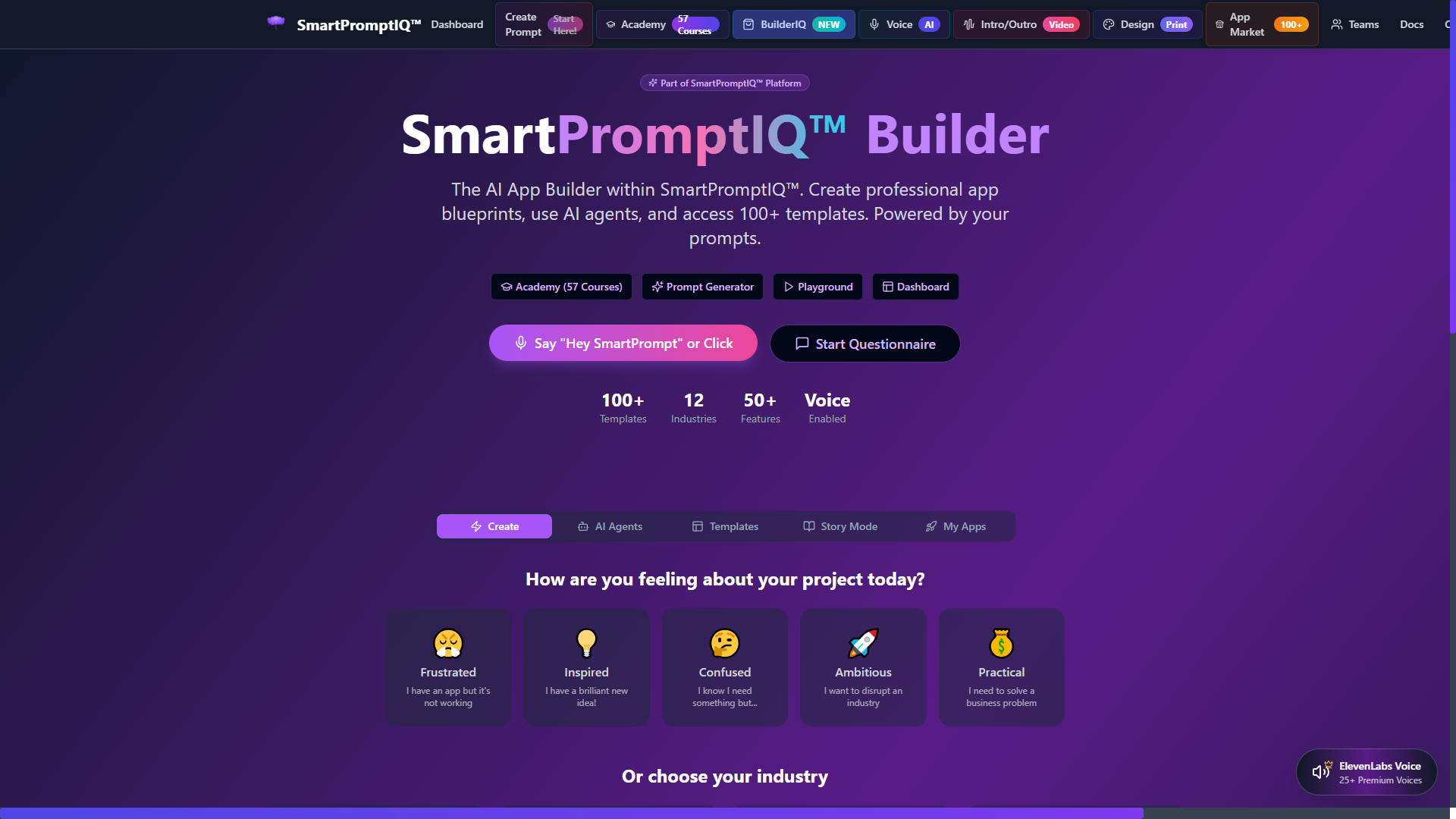
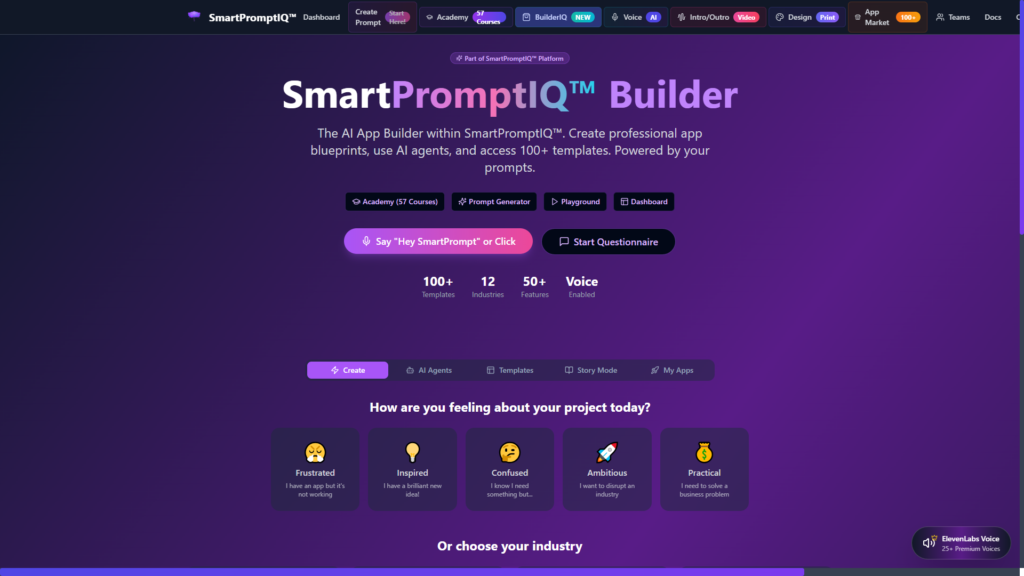
This is one reason platforms like SmartPromptIQ resonate with builders. The value is not only in learning prompt engineering. It is in turning that knowledge into blueprints, workflows, agents, and deployable systems that are designed to ship.
Validate before you polish
A lot of launch delays come from polishing the wrong thing. Founders spend time refining branding, animations, and feature depth before they have proof that users care. In AI, validation needs to happen at the workflow level.
Show a working version to a small group of ideal users and watch what they do. Do they understand the use case without explanation? Do they know what input to provide? Do they trust the output enough to use it in real work? Where do they hesitate? These signals matter more than whether they say the idea sounds exciting.
There are two kinds of validation that matter most before launch. The first is desirability – does the user want this enough to try it again? The second is reliability – does the system produce acceptable results often enough that they would depend on it? A product can score high on novelty and still fail on both.
If you hear feedback like this is cool, but I would still need to redo everything manually, your product is not launch-ready. If the user says I would pay for this if it also handled one more step in the workflow, that is useful. It tells you where the minimum system is incomplete.
Your launch message needs one clear promise
Most AI launch messaging is overloaded. Builders try to explain the model, the architecture, the prompt engine, the integrations, and the future roadmap in the first thirty seconds. Users do not need the full stack first. They need the promise.
Lead with the result, not the mechanism. What changes for the user after they adopt your product? Faster turnaround? Lower operating cost? Better consistency? More output with less manual effort? Pick one primary promise and support it with one or two proof points.
Good launch messaging also handles skepticism. AI buyers have seen enough weak demos to be cautious. So give them concrete framing. Explain what the product does, what it does not do, and who it is best for. Clarity filters out bad-fit users and attracts serious ones.
The launch plan: audience, channel, conversion
An ai product launch guide without distribution is just product advice. Even a strong build needs a channel strategy that fits the audience.
If your users are operators and founders, direct demos and niche communities may outperform broad awareness campaigns. If your product serves teams, live walkthroughs can work better than static landing pages because they show trust and workflow depth. If your product is self-serve and easy to try, short-form content with a sharp before-and-after story can create fast interest.
Choose one primary channel for the first launch wave. Not five. One. That constraint forces better execution. Then make sure the conversion path is tight. When someone lands, can they understand the problem, see the output, and start in under two minutes? If not, traffic will not save you.
Pricing also shapes launch performance. Free can help if the workflow needs hands-on proof. But free without limits often attracts the wrong users and creates noisy feedback. A low-friction paid entry, a usage-based model, or a guided pilot can produce better signal depending on the product. It depends on how quickly users reach value and how costly inference is for you.
Measure what matters in the first 30 days
After launch, avoid vanity metrics. Signups look nice. They do not tell you whether the product is working.
Track time to first value, repeat usage, output acceptance rate, and the percentage of users who complete the core workflow without support. Those numbers expose where your system is strong and where it breaks. If users sign up but never finish the first task, your onboarding or positioning is off. If they finish once but never return, the result may not be reliable enough.
You should also pay attention to qualitative failure patterns. Are users confused about inputs? Are they asking the product to do jobs it was never designed for? Are they getting useful results but not in a format they can apply easily? In AI products, small workflow fixes often improve retention more than major feature releases.
Launch small, then widen the surface area
A disciplined launch does not try to prove everything at once. It proves one valuable job, for one clear user, through one reliable system. That gives you the foundation to expand later.
Once users trust the first workflow, then you can add adjacent features, broader integrations, richer memory, voice inputs, team collaboration, or more advanced automation. Expansion works best when it follows real usage patterns. Otherwise you build sideways and dilute the product.
The best AI builders are not the ones with the longest feature list. They are the ones who understand where intelligence needs structure, where automation needs review, and where product clarity beats technical complexity.
If you are getting ready to ship, keep your focus narrow and your standards high. Launch the version that solves a real problem with enough reliability that users can feel the gain immediately. That is how AI products stop being interesting experiments and start becoming businesses.