Tech-Friendly AI for Older Adults
Digital World
As I navigate the complexities of technology in today’s digital landscape, I recognize that older adults often face unique challenges. One primary requirement is the need for intuitive interfaces that facilitate technology use. Many older adults may not have grown up with the same technological advancements that younger generations take for granted. Therefore, it is imperative that technology developers prioritize user-friendly designs that cater specifically to this demographic. Simple navigation, clear labeling, and larger text can significantly improve the user experience, allowing older adults to engage with technology confidently.
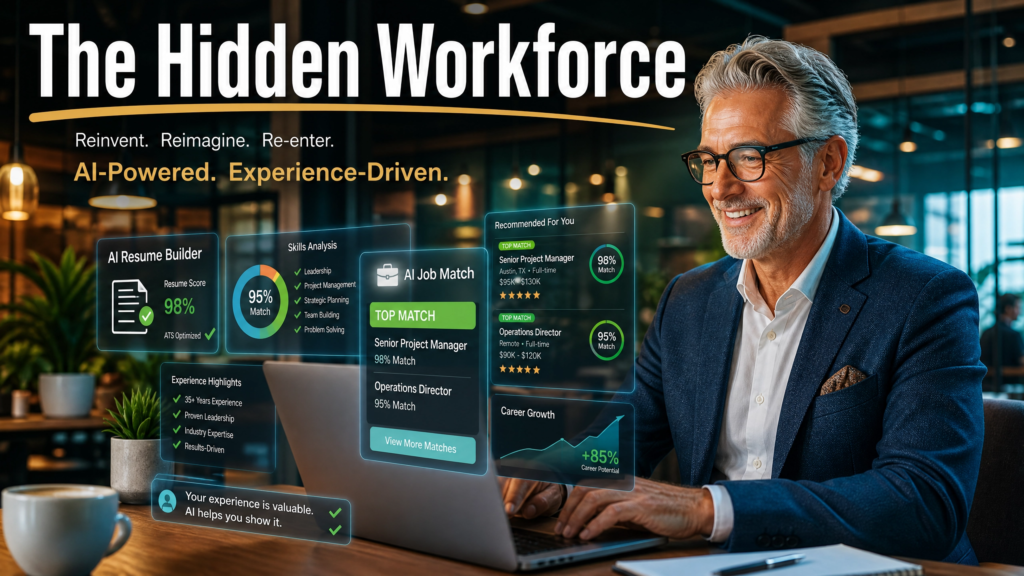
Moreover, artificial intelligence (AI) has the potential to enhance accessibility for older adult users in remarkable ways. AI-driven tools can adapt to individual user preferences, learning from interactions to provide personalized experiences. For instance, voice-activated assistants can help older adults manage their daily tasks, reminding them of appointments or medication schedules without the need for complex inputs. By leveraging AI, we can create an environment where older adults feel empowered and connected, rather than overwhelmed by technology.
The Role of AI in Enhancing Daily Life
In my observations, AI plays a crucial role in simplifying daily tasks for older adults. From automated grocery shopping to virtual assistants that help manage household chores, AI technologies can alleviate some of the burdens associated with daily living. For example, smart home devices can be programmed to adjust lighting and temperature, making it easier for older adults to maintain comfort without needing to navigate complicated systems. These innovations not only streamline tasks but also foster a sense of independence, allowing older adults to live more autonomously.
Furthermore, tech-friendly AI enhances communication for older adults, bridging the gap between them and their loved ones. Video calling applications equipped with AI features can offer real-time translation, facial recognition, and even emotion detection, making conversations more meaningful and engaging. As someone who values connection, I see how these tools can help reduce feelings of isolation and loneliness, enabling older adults to maintain relationships and stay engaged with their families and communities.
User-Friendly Technologies for Seniors
As I delve deeper into the realm of technology, I have come to appreciate how user-friendly interfaces can significantly enhance engagement for older adults. Simplifying complex tasks through intuitive design allows older adults to interact with technology without frustration. For instance, applications designed specifically for seniors often feature larger buttons, clearer icons, and straightforward navigation paths, which can drastically improve their ability to use these tools effectively.
AI also plays a pivotal role in simplifying daily tasks for older adults. By automating routine activities, such as setting reminders or managing schedules, AI can help older adults focus on what truly matters—enjoying their lives and pursuing their interests. This technology can empower them to take charge of their daily routines, making it easier to stay organized and engaged. Ultimately, a user-friendly approach to technology fosters a sense of confidence and capability among older adults, enabling them to embrace the digital world.
Bridging the Digital Divide: Access and Education
In my experience, one of the most significant barriers older adults face in the digital world is the lack of tailored digital education programs. It is essential to recognize that not all older adults have the same level of comfort or familiarity with technology. Therefore, creating educational initiatives that cater specifically to their needs is crucial. These programs can provide hands-on training, allowing older adults to learn at their own pace while addressing their specific concerns and questions about technology.
Moreover, tech-friendly AI enhances accessibility for older adults by offering support and resources that are easily accessible. For instance, AI-driven platforms can provide customized learning experiences, adapting to the user’s skill level and preferences. By fostering an inclusive environment where older adults feel supported in their learning journey, we can help bridge the digital divide, ensuring that they are not left behind in an increasingly digital society.
Future Trends in AI for Aging Populations
Looking ahead, I am optimistic about the future trends in AI that will significantly enhance the wellbeing of aging populations. One promising development is personalized health monitoring for older adults. AI technologies can analyze health data in real-time, providing insights that empower older adults to manage their health proactively. For instance, wearable devices equipped with AI can track vital signs and alert users or caregivers to potential health issues before they escalate. This proactive approach to health management can lead to improved outcomes and a greater sense of security for older adults.
Additionally, AI-driven social engagement tools hold great promise in reducing isolation among older adults. Virtual reality experiences, social media platforms tailored for seniors, and AI companions can facilitate social interactions and foster a sense of community. As someone who values connection, I understand the importance of these tools in combating loneliness and enhancing the quality of life for older adults. By prioritizing the development of these technologies, we can create a future where older adults are not only connected but also thriving in their digital environments.