Tech-Friendly AI for Older Adults

Digital World

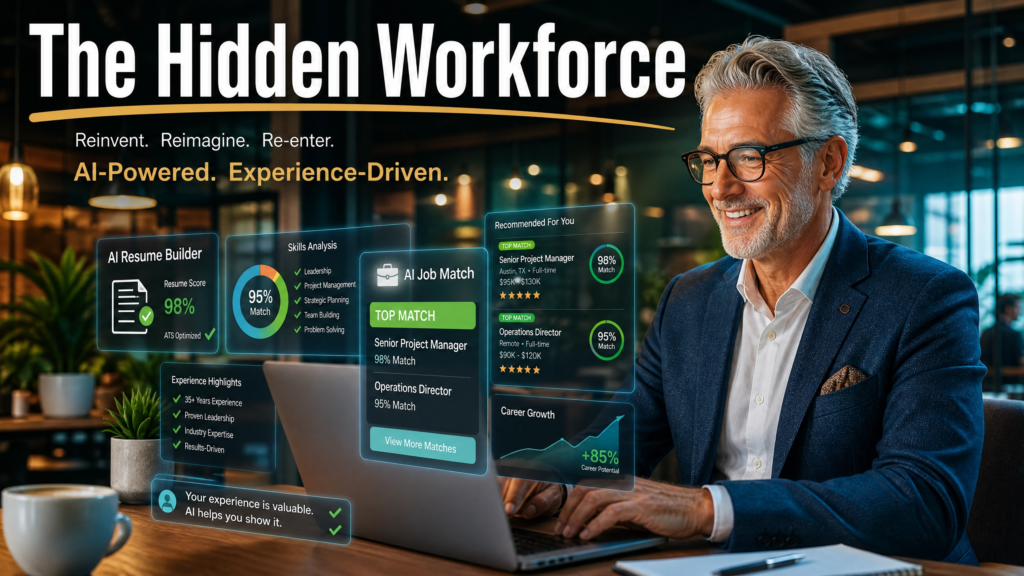
As I navigate the complexities of technology in today’s digital landscape, I recognize that older adults often face unique challenges. One primary requirement is the need for intuitive interfaces that facilitate technology use. Many older adults may not have grown up with the same technological advancements that younger generations take for granted. Therefore, it is imperative that technology developers prioritize user-friendly designs that cater specifically to this demographic. Simple navigation, clear labeling, and larger text can significantly improve the user experience, allowing older adults to engage with technology confidently.

Moreover, artificial intelligence (AI) has the potential to enhance accessibility for older adult users in remarkable ways. AI-driven tools can adapt to individual user preferences, learning from interactions to provide personalized experiences. For instance, voice-activated assistants can help older adults manage their daily tasks, reminding them of appointments or medication schedules without the need for complex inputs. By leveraging AI, we can create an environment where older adults feel empowered and connected, rather than overwhelmed by technology.

The Role of AI in Enhancing Daily Life

In my observations, AI plays a crucial role in simplifying daily tasks for older adults. From automated grocery shopping to virtual assistants that help manage household chores, AI technologies can alleviate some of the burdens associated with daily living. For example, smart home devices can be programmed to adjust lighting and temperature, making it easier for older adults to maintain comfort without needing to navigate complicated systems. These innovations not only streamline tasks but also foster a sense of independence, allowing older adults to live more autonomously.

Furthermore, tech-friendly AI enhances communication for older adults, bridging the gap between them and their loved ones. Video calling applications equipped with AI features can offer real-time translation, facial recognition, and even emotion detection, making conversations more meaningful and engaging. As someone who values connection, I see how these tools can help reduce feelings of isolation and loneliness, enabling older adults to maintain relationships and stay engaged with their families and communities.

User-Friendly Technologies for Seniors

As I delve deeper into the realm of technology, I have come to appreciate how user-friendly interfaces can significantly enhance engagement for older adults. Simplifying complex tasks through intuitive design allows older adults to interact with technology without frustration. For instance, applications designed specifically for seniors often feature larger buttons, clearer icons, and straightforward navigation paths, which can drastically improve their ability to use these tools effectively.

AI also plays a pivotal role in simplifying daily tasks for older adults. By automating routine activities, such as setting reminders or managing schedules, AI can help older adults focus on what truly matters—enjoying their lives and pursuing their interests. This technology can empower them to take charge of their daily routines, making it easier to stay organized and engaged. Ultimately, a user-friendly approach to technology fosters a sense of confidence and capability among older adults, enabling them to embrace the digital world.

Bridging the Digital Divide: Access and Education

In my experience, one of the most significant barriers older adults face in the digital world is the lack of tailored digital education programs. It is essential to recognize that not all older adults have the same level of comfort or familiarity with technology. Therefore, creating educational initiatives that cater specifically to their needs is crucial. These programs can provide hands-on training, allowing older adults to learn at their own pace while addressing their specific concerns and questions about technology.

Moreover, tech-friendly AI enhances accessibility for older adults by offering support and resources that are easily accessible. For instance, AI-driven platforms can provide customized learning experiences, adapting to the user’s skill level and preferences. By fostering an inclusive environment where older adults feel supported in their learning journey, we can help bridge the digital divide, ensuring that they are not left behind in an increasingly digital society.

Future Trends in AI for Aging Populations

Looking ahead, I am optimistic about the future trends in AI that will significantly enhance the wellbeing of aging populations. One promising development is personalized health monitoring for older adults. AI technologies can analyze health data in real-time, providing insights that empower older adults to manage their health proactively. For instance, wearable devices equipped with AI can track vital signs and alert users or caregivers to potential health issues before they escalate. This proactive approach to health management can lead to improved outcomes and a greater sense of security for older adults.

Additionally, AI-driven social engagement tools hold great promise in reducing isolation among older adults. Virtual reality experiences, social media platforms tailored for seniors, and AI companions can facilitate social interactions and foster a sense of community. As someone who values connection, I understand the importance of these tools in combating loneliness and enhancing the quality of life for older adults. By prioritizing the development of these technologies, we can create a future where older adults are not only connected but also thriving in their digital environments.
Similar Posts

  • The Importance of Master Prompt Engineering in Streamlining Processes

    For as each business AI is implemented are moving at record speed environment, organisations are constantly seeking ways to improve efficiency, reduce manual effort, and scale operations intelligently. One of the often-overlooked levers behind this transformation is what we call Master Prompt Engineering — the disciplined use of well-crafted prompts with large language models (LLMs)…

  • How Adults 50+ Can Outsmart AI Scams and Build Real Digital Confidence

    AI Scams Artificial intelligence is changing everyday life at remarkable speed. For adults over 50, that change brings a double reality. On one hand, AI can make daily tasks easier, support learning, improve communication, and open new income opportunities. On the other hand, the same technology is making fraud more believable, more personal, and more…

  • AI Courses for Beginners: How to Build Skills You Can Use Every Day

    Artificial intelligence is becoming part of everyday life. It can help people write clearer emails, organize ideas, learn new topics, plan projects, and create first drafts. Yet many people still feel unsure about where to begin. The language around AI can sound complicated, new tools appear constantly, and it is easy to assume that only…

  • 25 Powerful AI Prompts to Build Your Next App (Copy & Paste Ready)

    Want to build an app using AI but don’t know where to start? The secret isn’t just having AI — it’s knowing what to ask. The right prompt transforms ChatGPT, Claude, or any AI from a generic chatbot into your personal app development team. We’ve compiled 25 proven prompts that take you from zero to…

  • The Rise of No-Code AI: How to Build Custom Workflows with BuilderIQ (No Coding Required)

    Introduction: The Democratization of  Artificial Intelligence For decades, the power to create software was gatekept by a select group of people: software engineers. If you had a brilliant idea for a digital tool, you either had to spend years learning Python or C++, or you had to spend tens of thousands of dollars hiring a development team. The artificial intelligence boom initially looked like it would follow the exact same path. However, a massive shift is occurring in the tech landscape: the convergence of AI and the “no-code” movement. According to a recent projection by Gartner, low-code and no-code development will account for over 65% of all application development functions by the end of 2024. We are entering an era where your ability to build powerful, automated AI tools is limited only by your imagination, not your coding ability. Enter the era of the custom AI builder. In this comprehensive guide, we will explore why generic AI chatbots are no longer enough, and how platforms like BuilderIQ are empowering non-technical founders, marketers, and operators to build their own bespoke AI applications. The Problem with “Out-of-the-Box” AI Chatbots When ChatGPT first launched, it was a revelation. But as businesses have integrated AI into their daily operations, the limitations of “blank canvas” chatbots have become glaringly obvious. 1. The “Blank Page” ParalysisEvery time you open a generic AI interface, you start from scratch. You have to re-explain your brand voice, your target audience, and the specific formatting you require. This repetitive setup leads to a phenomenon known as “prompt fatigue.” 2. Inconsistent OutputsIf three different employees ask a public AI model to write a customer service response, you will get three wildly different tones. This inconsistency dilutes brand identity and creates quality control nightmares for management. 3. Data Silos and Disconnected WorkflowsGeneric AI doesn’t naturally speak to the rest of your tech stack. It sits in a silo. You copy data from an email, paste it into the AI, copy the output, and paste it into a Google Doc. This manual friction defeats the purpose of automation. Enter BuilderIQ: Your Personal AI Architect To solve these problems, businesses are moving away from prompting generic models and moving toward building custom AI agents. This is exactly what BuilderIQ is designed to do. BuilderIQ is a no-code environment that allows you to pre-package complex prompt engineering, context framing, and brand constraints into a single, repeatable tool. Think of it as creating a custom app that lives on top of the world’s smartest language models. How to Build Your First AI Tool in  BuilderIQ (Step-by-Step) You don’t need an engineering degree to build an AI tool. Here is a look at the typical workflow a non-technical professional uses within BuilderIQ. Step 1: Define the Core FunctionBefore touching the software, identify a repetitive, high-friction task in your business. For this example, let’s say you run an e-commerce store and you spend 10 hours a week writing SEO-optimized product descriptions. Step 2: Establish the “System Context”Inside BuilderIQ, you begin by setting the foundational knowledge of the AI. Instead of typing this every time, you hardcode it into the builder. You can define your brand archetype, paste your style guide, and tell the AI exactly who your target demographic is. Step 3: Define the Input FieldsInstead of a scary, open-ended chatbox, BuilderIQ allows you to create specific input fields for you or your team. For our product description tool, you might create three simple fields: Step 4: Design the Output ArchitectureHere is where the magic happens. You instruct the builder on exactly how to format the final result. You can demand that it outputs a catchy H1 title, a 50-word emotional hook, a bulleted list of benefits, and a call-to-action—every single time. The Business Impact of Custom AI…

  • Enhancing Data Security with Master Prompt Engineering

    As AI has made great strides, with data breaches and cyber-attacks dominating headlines, organisations must constantly elevate their security posture. One emerging frontier is the discipline of prompt engineering—and when applied rigorously, “Master Prompt Engineering” becomes a strategic shield for your sensitive information. At SmartPromptIQ and its educational arm SmartPromptIQ Academy, we specialise in helping…

Leave a Reply

Your email address will not be published. Required fields are marked *